


Can fiber optic connectors be used in data centers?
May 29, 2026
Leave a message
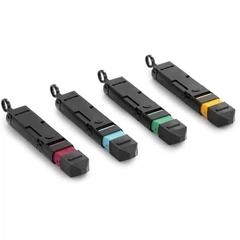
Fiber optic connectors play a pivotal role in modern data centers, facilitating high - speed and reliable data transmission. As a fiber optic connector supplier, I am often asked whether fiber optic connectors can be used in data centers. The answer is a resounding yes, and in this blog, I will explore the reasons, types of connectors suitable for data centers, and the benefits they bring.
The Need for Fiber Optic Connectors in Data Centers
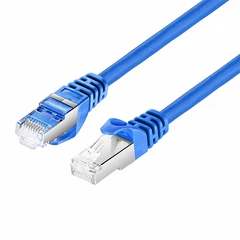
In today's digital age, data centers are the backbone of the global economy. They store, process, and transmit vast amounts of data every day. Traditional copper cables, while still useful in some applications, have limitations when it comes to high - speed data transmission over long distances. Fiber optic cables, on the other hand, offer much higher bandwidth, lower signal loss, and immunity to electromagnetic interference.
Fiber optic connectors are essential components in data centers as they provide a means to connect fiber optic cables to network devices such as servers, switches, and routers. They ensure a stable and efficient connection, which is crucial for the smooth operation of data centers.
Types of Fiber Optic Connectors for Data Centers
There are several types of fiber optic connectors that are commonly used in data centers. Each type has its own characteristics and advantages.
E2000 Single Mode Connector
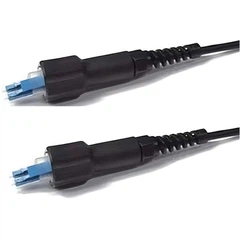
The E2000 Single Mode Connector is a popular choice for data centers. It features a push - pull locking mechanism, which makes it easy to install and remove. The connector has a low insertion loss and high return loss, ensuring excellent signal quality. It is also dust - proof, which is important in a data center environment where dust can cause signal degradation.
Single Mode St Connector
The Single Mode St Connector is another well - known connector in the data center industry. It uses a bayonet - style coupling mechanism, which provides a secure connection. The ST connector is relatively easy to terminate and is suitable for both single - mode and multi - mode fiber optic cables. It has been widely used in data centers for many years and is a reliable option for high - speed data transmission.
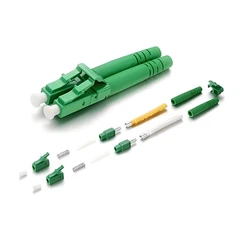
Single Lc Connector
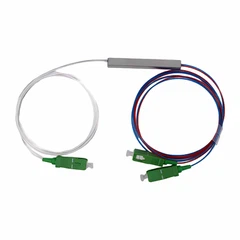
The Single Lc Connector is a small - form - factor connector that is widely used in data centers. It has a smaller footprint compared to other connectors, which allows for higher port density on network devices. The LC connector has a low insertion loss and is suitable for high - speed applications such as 10G, 40G, and 100G Ethernet.
Benefits of Using Fiber Optic Connectors in Data Centers
High - Speed Data Transmission
Fiber optic connectors enable data centers to achieve high - speed data transmission. With the increasing demand for bandwidth in data centers, fiber optic technology can support data rates of up to several terabits per second. This is crucial for applications such as cloud computing, big data analytics, and high - definition video streaming.


Low Signal Loss
Fiber optic cables have much lower signal loss compared to copper cables. This means that data can be transmitted over longer distances without significant degradation. In a large - scale data center, where cables may need to run hundreds of meters, low signal loss is essential for maintaining the integrity of the data.
Immunity to Electromagnetic Interference
Fiber optic cables are not affected by electromagnetic interference (EMI). In a data center environment, there are many sources of EMI, such as power cables, electrical equipment, and radio frequency signals. Using fiber optic connectors can ensure that the data transmission is not disrupted by these external factors.
Scalability
Fiber optic connectors offer scalability for data centers. As the demand for data storage and processing grows, data centers can easily upgrade their network infrastructure by adding more fiber optic cables and connectors. This allows data centers to adapt to changing business needs without significant re - wiring.
Challenges and Considerations
While fiber optic connectors offer many benefits, there are also some challenges and considerations when using them in data centers.
Cost
The initial cost of fiber optic cables and connectors is generally higher than that of copper cables. However, when considering the long - term benefits such as high - speed data transmission, low signal loss, and scalability, the cost can be justified.
Installation and Maintenance
Installing and maintaining fiber optic connectors requires specialized skills and tools. Data center operators need to ensure that their staff is trained to handle fiber optic cables and connectors properly. Improper installation or maintenance can lead to signal degradation and network failures.
Compatibility
It is important to ensure that the fiber optic connectors are compatible with the network devices in the data center. Different types of connectors may have different physical and optical characteristics, so it is necessary to choose the right connectors for the specific application.
Conclusion
In conclusion, fiber optic connectors are an essential component in modern data centers. They offer high - speed data transmission, low signal loss, immunity to electromagnetic interference, and scalability. As a fiber optic connector supplier, I am committed to providing high - quality connectors that meet the needs of data centers.
If you are looking for fiber optic connectors for your data center, I encourage you to contact us for a detailed discussion. We can help you choose the right connectors based on your specific requirements and provide professional installation and maintenance services.
References
- "Fiber Optic Communication Systems" by Govind P. Agrawal
- "Data Center Networking: A Practical Approach" by Andrew L. Tanenbaum
Send Inquiry